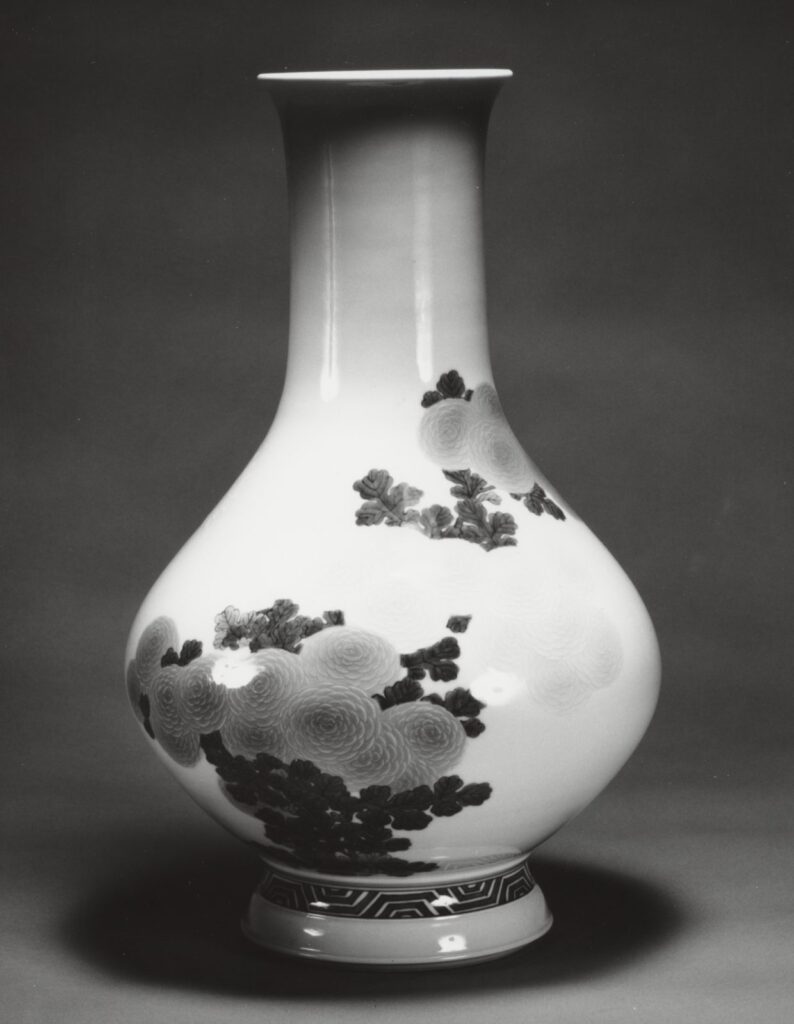
Reference · Walters Art Museum Seifū Yohei III, Vase with Blue and Yellow Chrysanthemums, Walters Art Museum 49.1633. Public domain. Source ↗
Biography
Seifū Yohei III was born Okada Heikichi in 1851 at Ōshio, Harima Province. He was the second son of Okada Ryōhei, a Confucian scholar and bird-and-flower painter. In 1863 he entered the Osaka studio of the literati painter Tanomura Chokunyū. In 1866 he joined the Seifū potting family of Gojōzaka, Kyoto, on marrying the sister of Seifū Yohei II. He studied ceramic painting and taught himself the processes of production.1
After Seifū Yohei II died in 1878, and later the young heir, he became head of the family as Seifū Yohei III. He won a bronze prize at Paris in 1889 and a first prize at the third National Industrial Exhibition in 1890. He went on to win a silver medal at Paris in 1900 and a gold medal at the Japan–British Exhibition of 1910.1
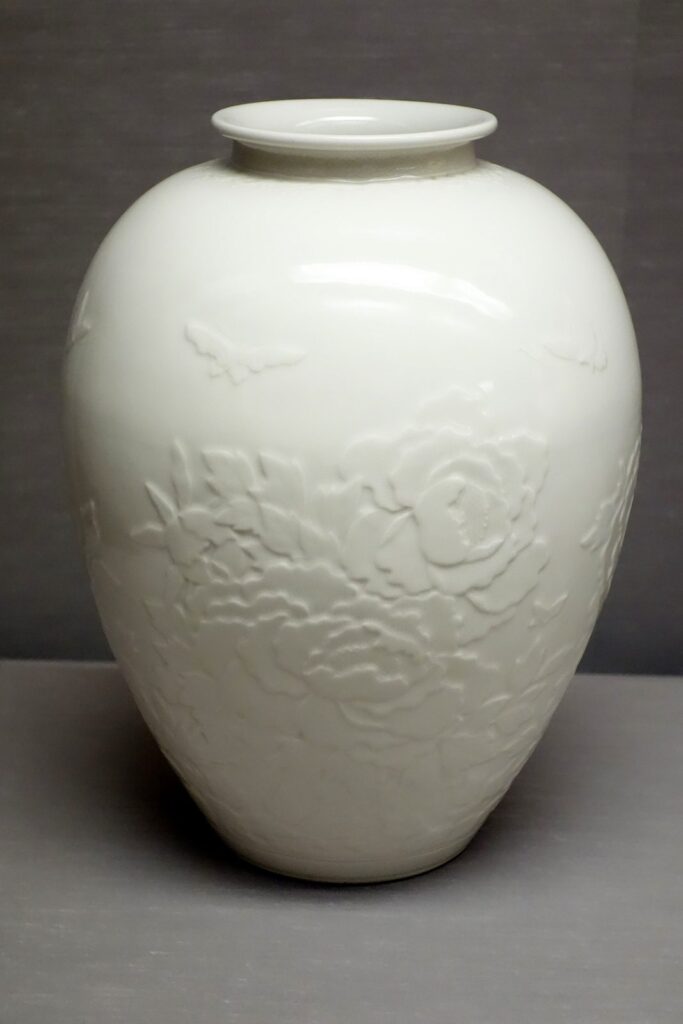
The Tokyo National Museum’s Large Vase with Butterflies and Peonies, made in 1892 at the request of the Chicago exposition’s secretariat and shown there in 1893, uses a white-glazed, relief-decorated porcelain technique he had developed. It was designated an Important Cultural Property in 2017. He worked in Qing-inspired porcelain, celadon and underglaze blue. After his appointment he turned increasingly to Japanese designs and to wares for the tea ceremony. He died in July 1914.21
The appointment list based on the Kanpō gazette dates his appointment as an Imperial Household Artist to 25 September 1893. The museum sources describe him as the first ceramist appointed. The Dictionary of Artists in Japan gives the year as 1892, so the sources differ on the date.3241
At the fourth National Industrial Exhibition, held at Okazaki, Kyoto, in 1895, he served as an adviser and a judge, and his entries received honorary silver plaques. In the same year he became the first ceramic artist awarded the Medal with Green Ribbon. Of the three porcelain vases that won his silver medal at Paris in 1900, one entered Imperial Household use, one is in the State Guest House, Akasaka Palace, and one is in the East Asian collections of KU Leuven Library. His second son became Seifū Yohei IV.1
Interpretation
The Dictionary of Artists in Japan calls him a rare Meiji ceramist who did not mass-produce for export. We take this as the dictionary’s characterisation.1
Chronology 年譜
| Date | Event | Source |
|---|---|---|
| 1851 | Born Okada Heikichi, Harima. | 1 |
| 1863 | Enters Tanomura Chokunyū's studio, Osaka. | 1 |
| 1866 | Joins the Seifū family, Gojōzaka, Kyoto. | 1 |
| 1878 | Seifū Yohei II dies. | 1 |
| 1889 | Bronze prize, Paris. | 1 |
| 1890 | First prize, third National Industrial Exhibition. | 1 |
| 1892 | White peony vase made for Chicago. | 2 |
| 1893 | Appointed Imperial Household Artist (25 September). | 3 |
| 1900 | Silver medal, Paris. | 1 |
| 1910 | Gold medal, Japan–British Exhibition. | 1 |
| 1914 | Dies in July. | 1 |
Archive records

At auction 落札作品
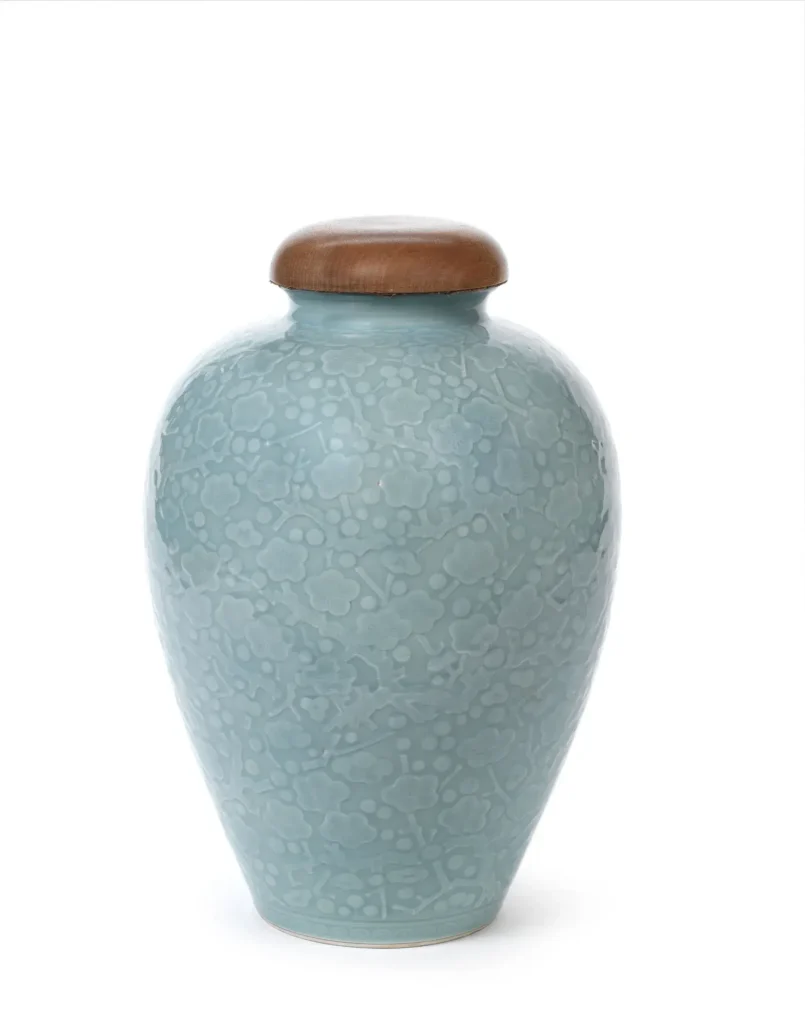
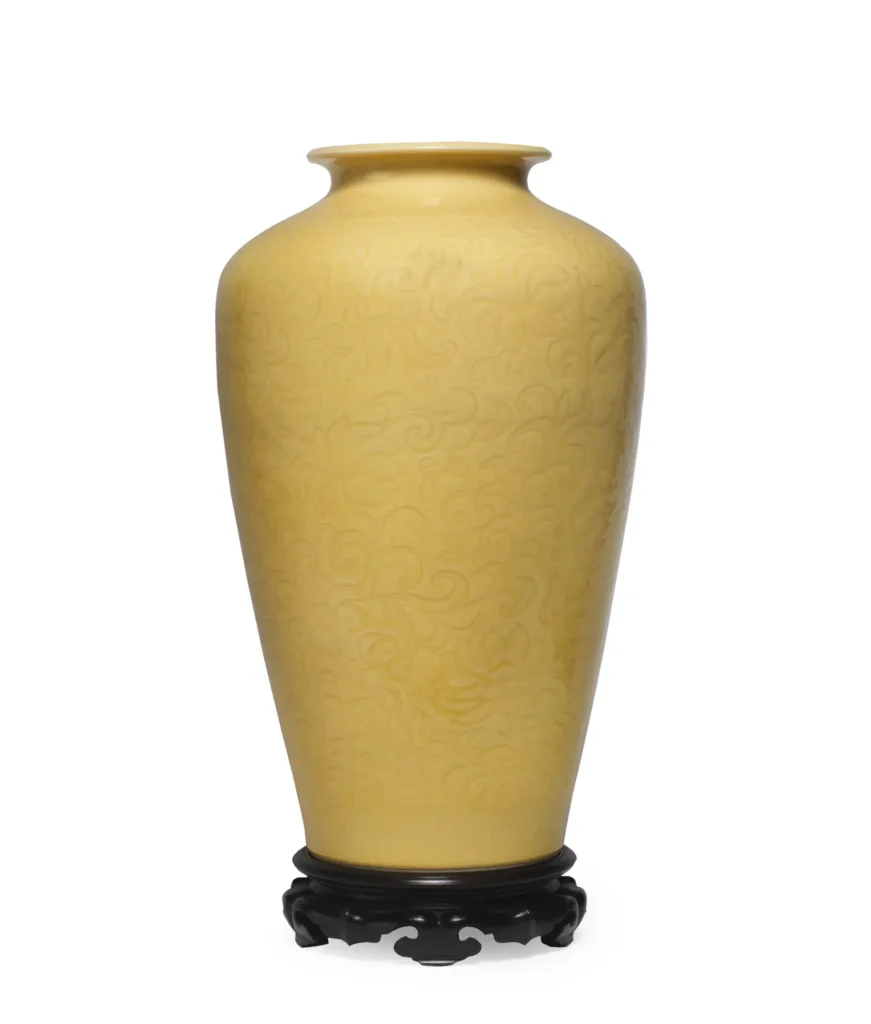
Our auction-records database holds 3 public results for this maker, at Bonhams, from 2011 to 2017. The highest is a blue-glazed porcelain baluster vase, Bonhams, Fine Japanese Art, 2011-11-10, lot 338, at £5,625 (about US$8,975 at the sale-date rate). These are public historical results, not valuations.
A Bonhams essay of 2011 records that Seifū Yohei III was the second son of the Maruyama-school painter Okada Ryōhei, entered the studio of the painter Tanomura Chokunyū in 1866, was adopted by Seifū Yohei II and succeeded as Yohei III on his master’s death in 1878.1
The same essay says he was “the first ceramicist to be appointed an Imperial Artist in 1893”, which agrees with the appointment table on our Imperial Household Artists page (25 September 1893), and remarks that in the West it was Kōzan “who was usually favoured”. The last point is the cataloguer’s judgement.1
Facts in this section are as stated by the auction houses in their lot essays, footnoted below. Where they differ from other sources we say so.
Works sold at auction
Photographs © the auction houses, as credited. Each links to its record.
Notes to “At auction”
- Bonhams, Fine Japanese Art, 2011-11-10, lot 338, lot description and footnote. ↗
Record prices 最高落札
Public historical auction results from our auction-records database, including buyer’s premium. They are not a valuation of any work.
| Date | Object, as catalogued | House | Result |
|---|---|---|---|
| 2011-11-10 | A blue-glazed porcelain baluster vase By | Bonhams, lot 338 | £5,625 ≈ US$8,975 |
| 2017-09-13 | Seifu Yohei III (1851-1914) A porcelain bottle By | Bonhams, lot 1107 | US$6,875 |
| 2017-11-09 | A large porcelain baluster vase Attributed to | Bonhams, lot 246 | £3,500 ≈ US$4,593 |
Other cited auction results
Public auction results, cited to the auction house record, including buyer’s premium unless stated, in the original currency. They are historical facts, not a valuation of any work offered.
| Year | Object, as catalogued | Result | Source |
|---|---|---|---|
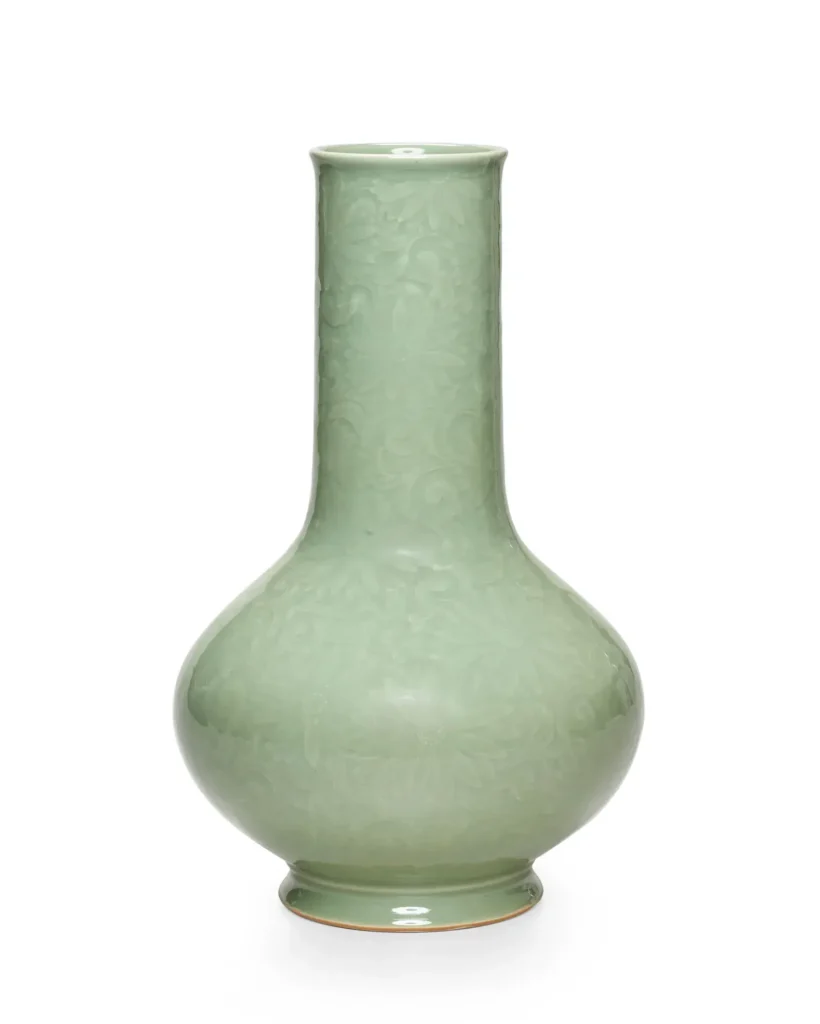
| 2017 | Seifu Yohei III (1851–1914): Porcelain bottle, low-relief chrysanthemums, celadon, 32.8 cm. Bonhams NY 13 Sep 2017 | US$6,875 | Source ↗ |
Sources
- SEIFŪ Yohei III, Dictionary of Artists in Japan, Art Platform Japan (Agency for Cultural Affairs) ↗
- Large Vase with Butterflies and Peonies, e-Museum (National Institutes for Cultural Heritage) ↗
- Imperial Household Artist appointment list (帝室技芸員), Japanese Wikipedia, citing the official gazette Kanpō ↗
- Colors of Kyoto: The Seifū Yohei Ceramic Studio, Cleveland Museum of Art, 2023 ↗
Descriptions record our research and opinion as of 20 October 2026. Works are offered as described. Please see our Terms of Sale.