Archive 目録
Masterworks on record
Documented masterworks of the Meiji era in museum collections and public sale records, each with a four-part record and cited sources. They are not offered; they are the standard against which every work in the Gallery is measured.
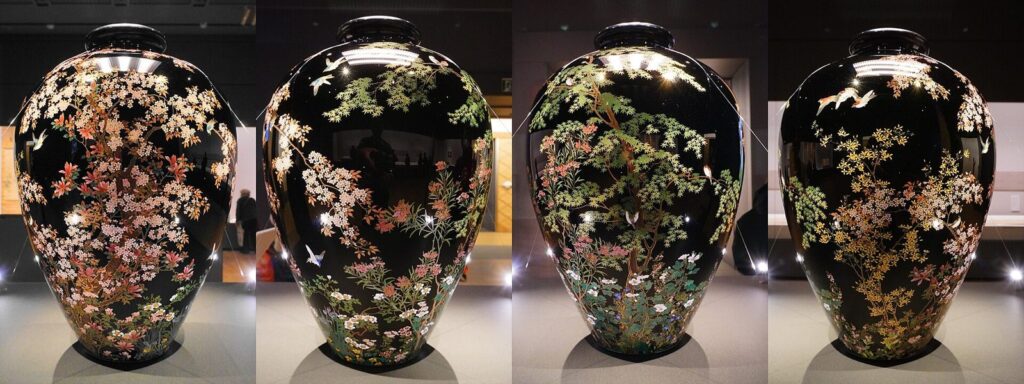
Namikawa Yasuyuki
Vase with Birds and Flowers of the Four Seasons
七宝四季花鳥図花瓶1899
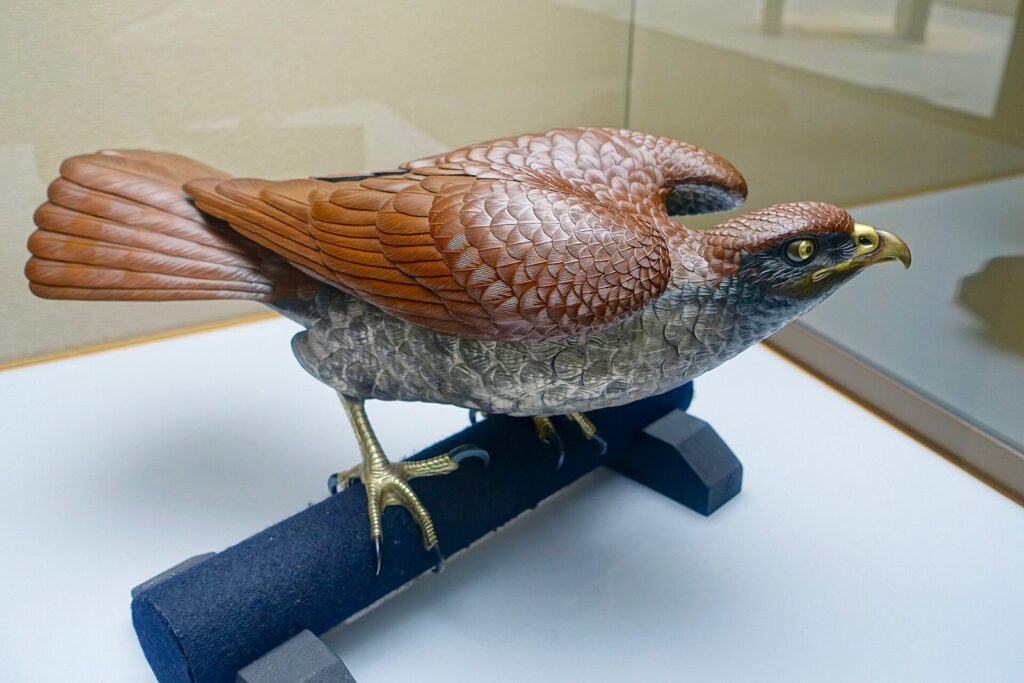
Suzuki Chokichi (Kako)
Twelve Bronze Falcons
十二の鷹1893
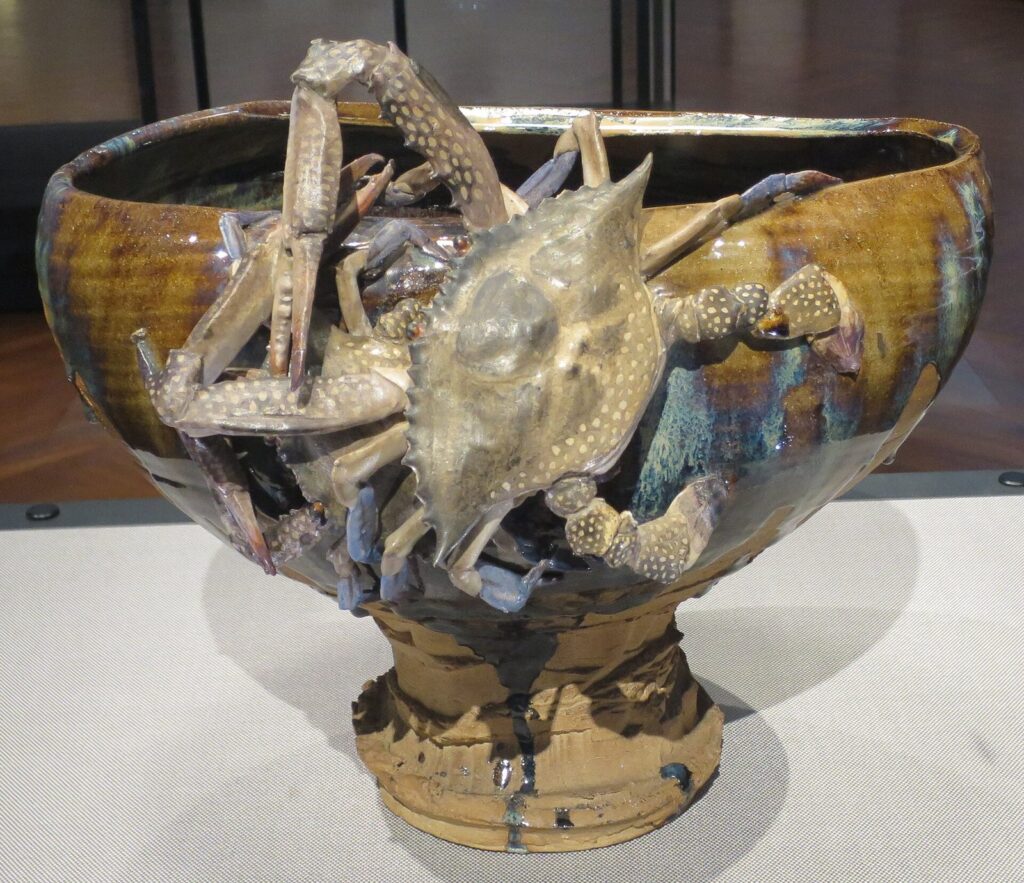
Miyagawa (Makuzu) Kozan I
Footed Bowl with Crabs
褐釉蟹貼付台付鉢1881
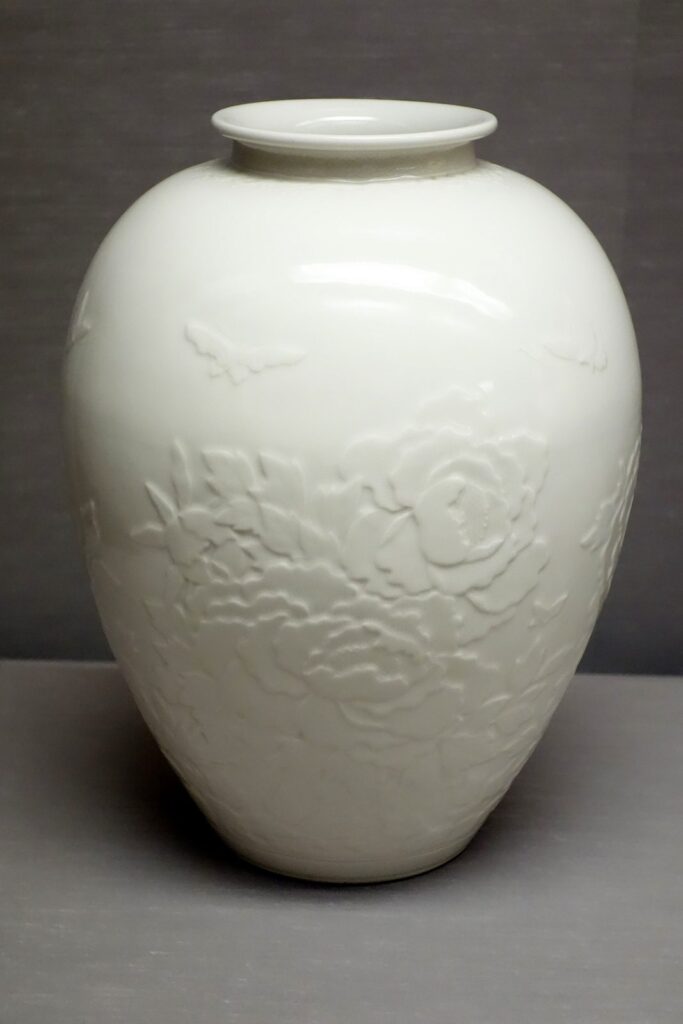
Seifu Yohei III
Large white porcelain vase, peonies and butterflies in relief
白磁蝶牡丹浮文大瓶1892
Namikawa Sosuke
Mount Fuji plaque
七宝富嶽図額1893
Shibata Zeshin
Panel: Farmhouse in the Snow at Sano
雪中佐野(「鉢の木」)図蒔絵額面1883
Miyagawa (Makuzu) Kozan I
Large vase, plum tree in iron-brown on a yellow ground
黄釉銹絵梅樹文大瓶1892
Namikawa Sosuke
Thirty oval medallions of flowers and birds of the four seasons, Kacho no Ma
1909
Shirayama Shosai
Four-case roiro inro
early 20th c.
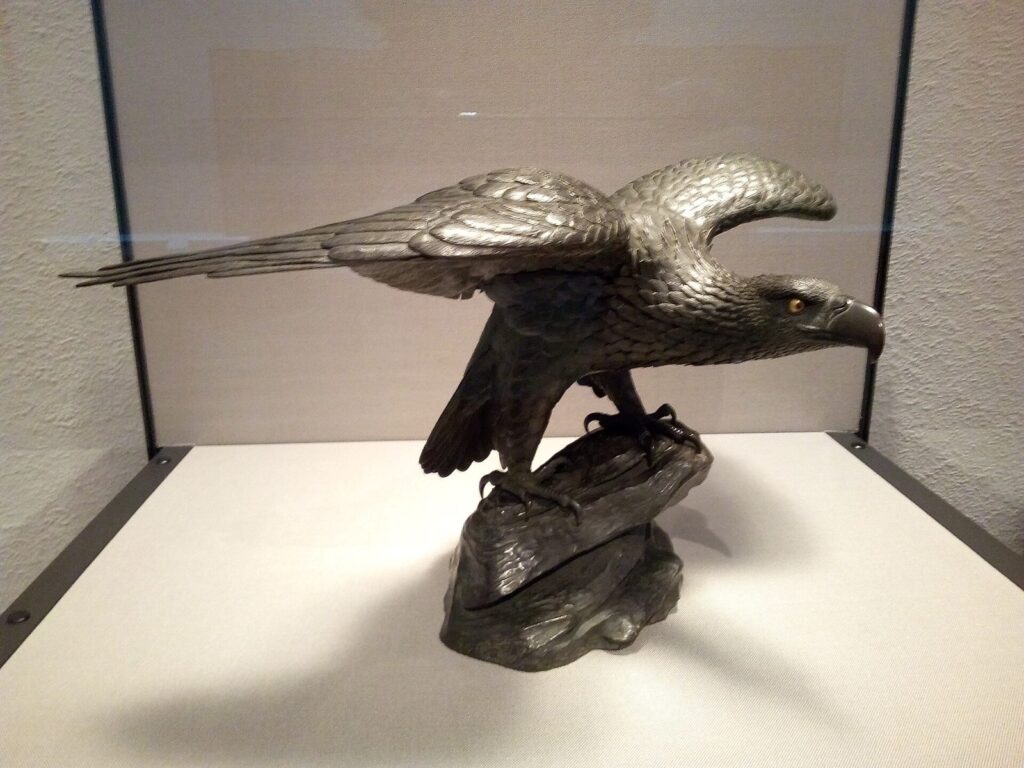
Suzuki Chokichi
Eagle
1892
Unno Shomin
Taiheiraku figure
太平楽置物1900
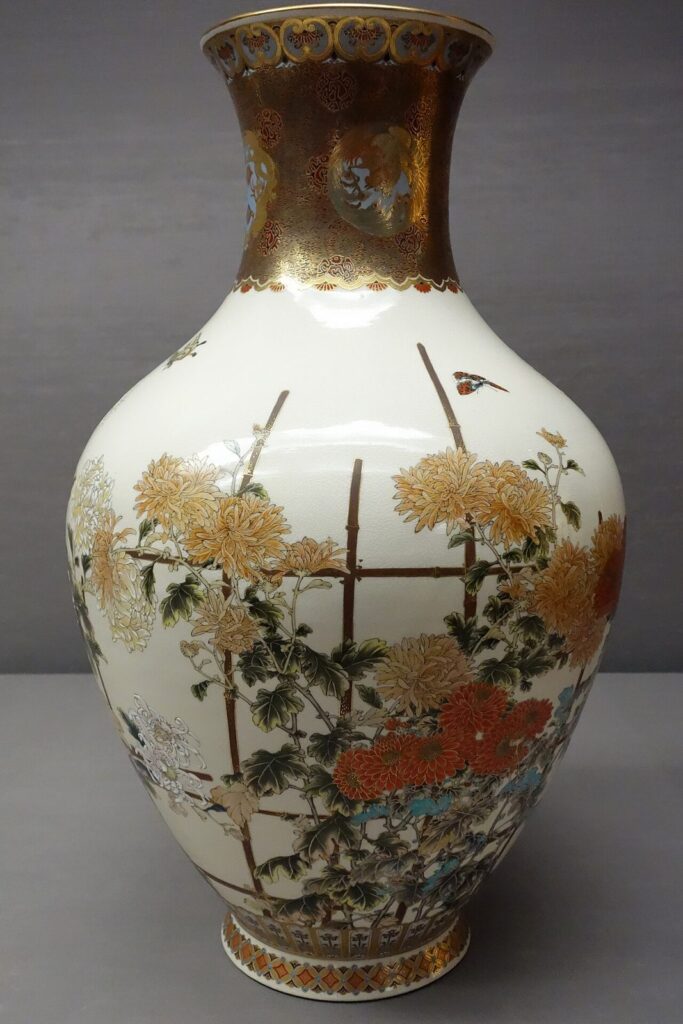
Taizan Yohei IX
Large vase, flowers and birds in polychrome and gold (iroe kinrande)
色絵金襴手花鳥文大瓶1892
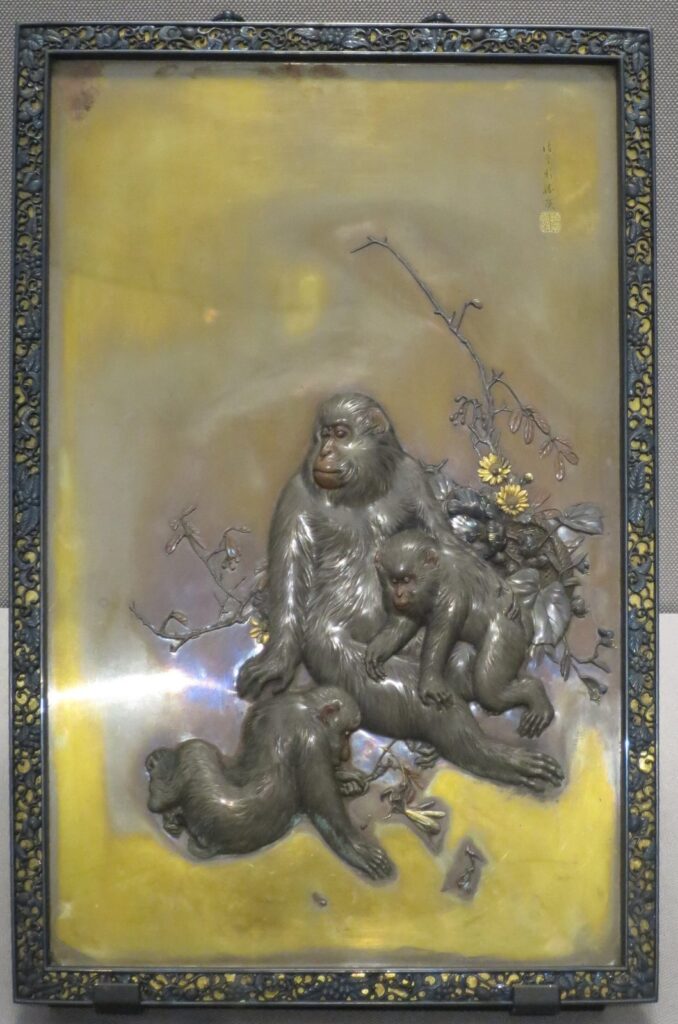
Kagawa Katsuhiro
Plaque with Monkeys Playing with a Mantis
1892
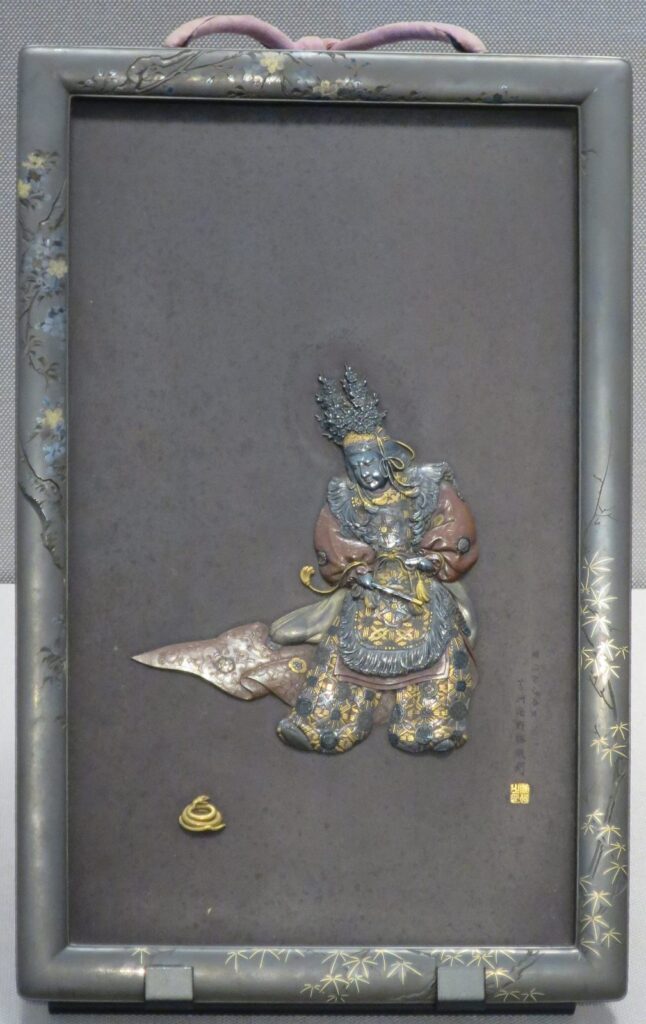
Unno Shōmin
Plaque with a Scene of the Genjōraku Dance
1893
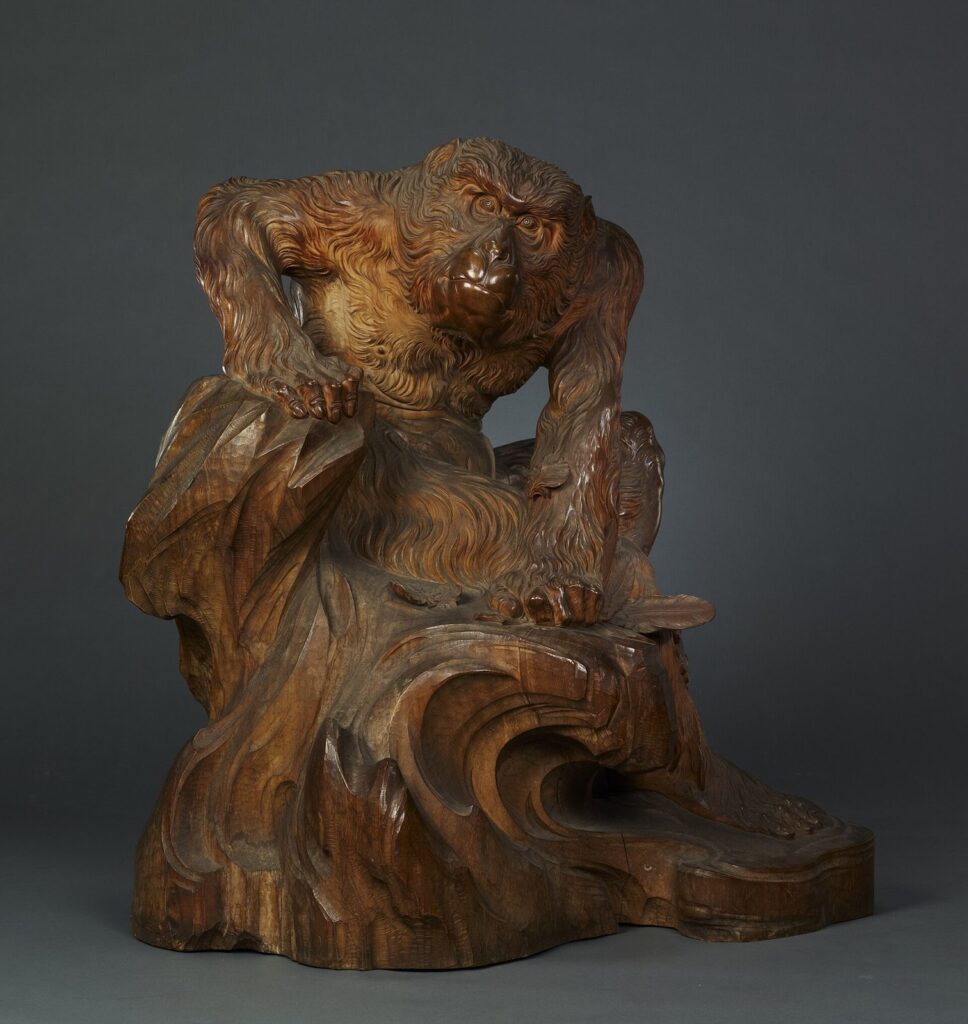
Takamura Kōun
Old Monkey
老猿1893
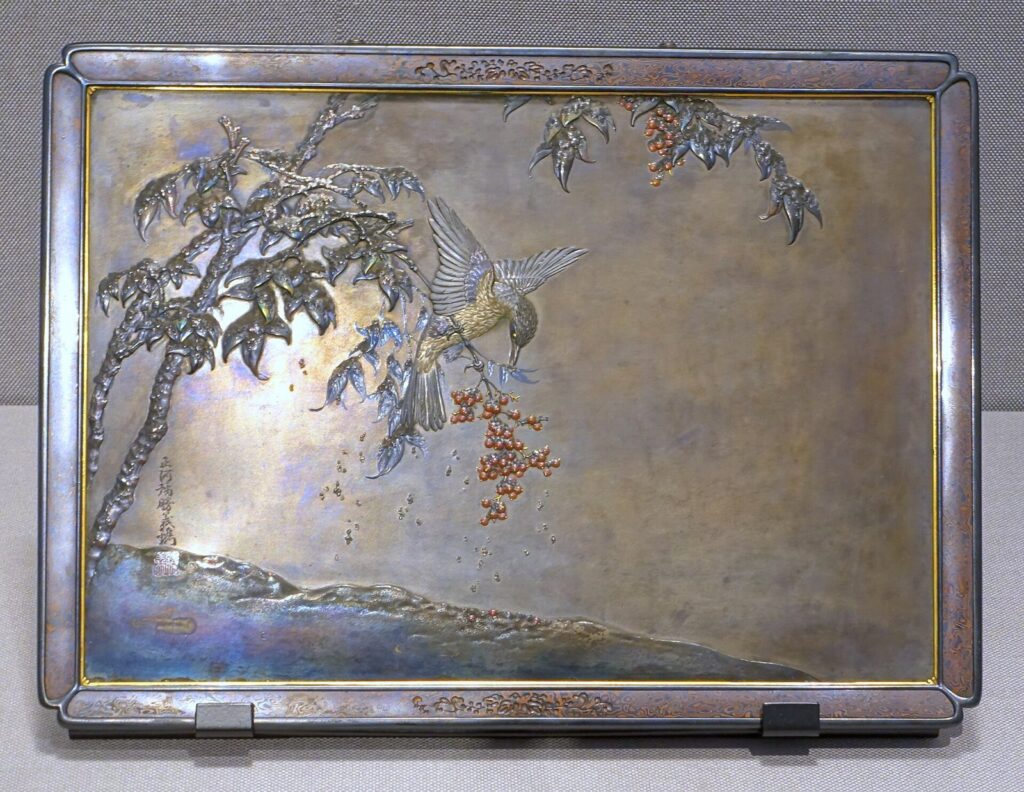
Shōami Katsuyoshi
Plaque with a Bulbul in a Snowy Nandina
雪中南天樹鵯図額1892
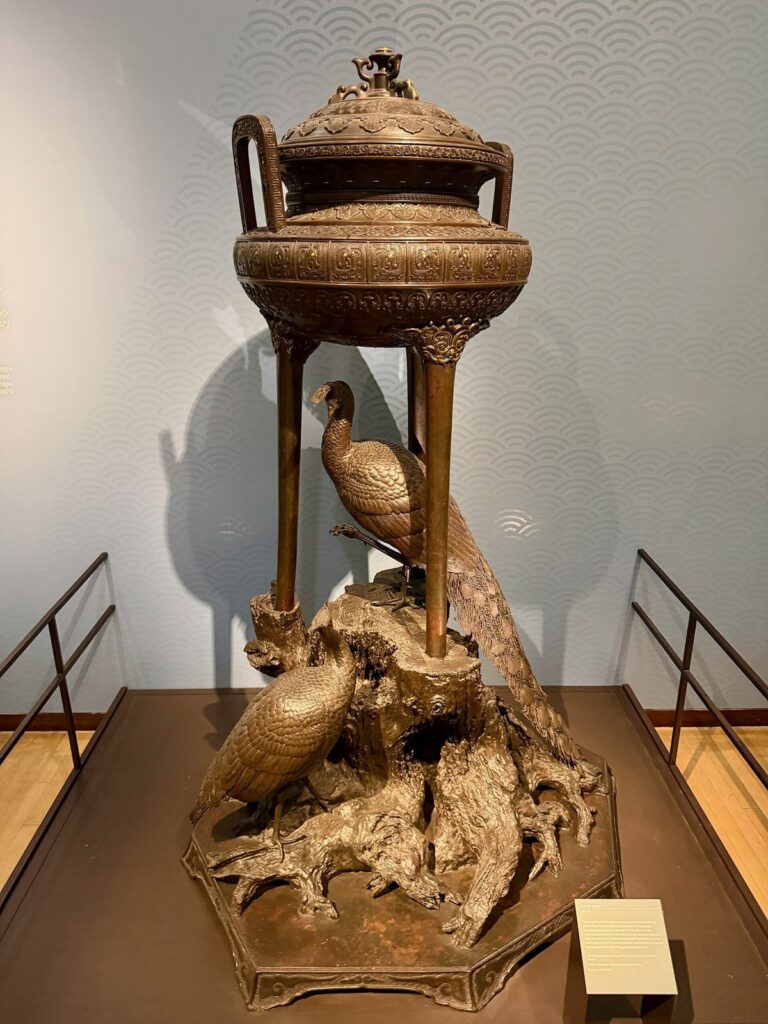
Suzuki Chōkichi (Kakō)
Incense burner with peacock and peahen
1877
About the archive
The Archive holds documented masterworks: objects in public collections, or with a public sale record, against which we judge every work we handle. Each record follows the four-part structure in our research standards: identification and maker; technique and record; iconography; and marks and box. Every fact is cited to the holding museum, a published catalogue or the auction house.
Records are not offers. Where a museum publishes an open-access photograph we reproduce it with its licence. Where it does not, we show a placeholder and link to the official record. For public auction results, with photographs credited to the auction houses, see the auction records, 120 lots across Satsuma, cloisonné, metalwork and studio ceramics.
Reading a record
Each record opens with the object as the holding institution or auction house names it, then gives maker, date, dimensions and the official record. The four parts that follow separate fact from opinion: what the sources say about technique and history; what the iconography shows; and what is written on the piece and its box. Comparisons with related works are listed at the end, so a reader can see where a judgement comes from.
Adding records
New records are added when a work can be documented from a museum catalogue, an official database or a published sale. Each is checked against its source before it is published, and the record date is given at the foot of the page.